A world within a crater ancient, intact, and unforgettable.
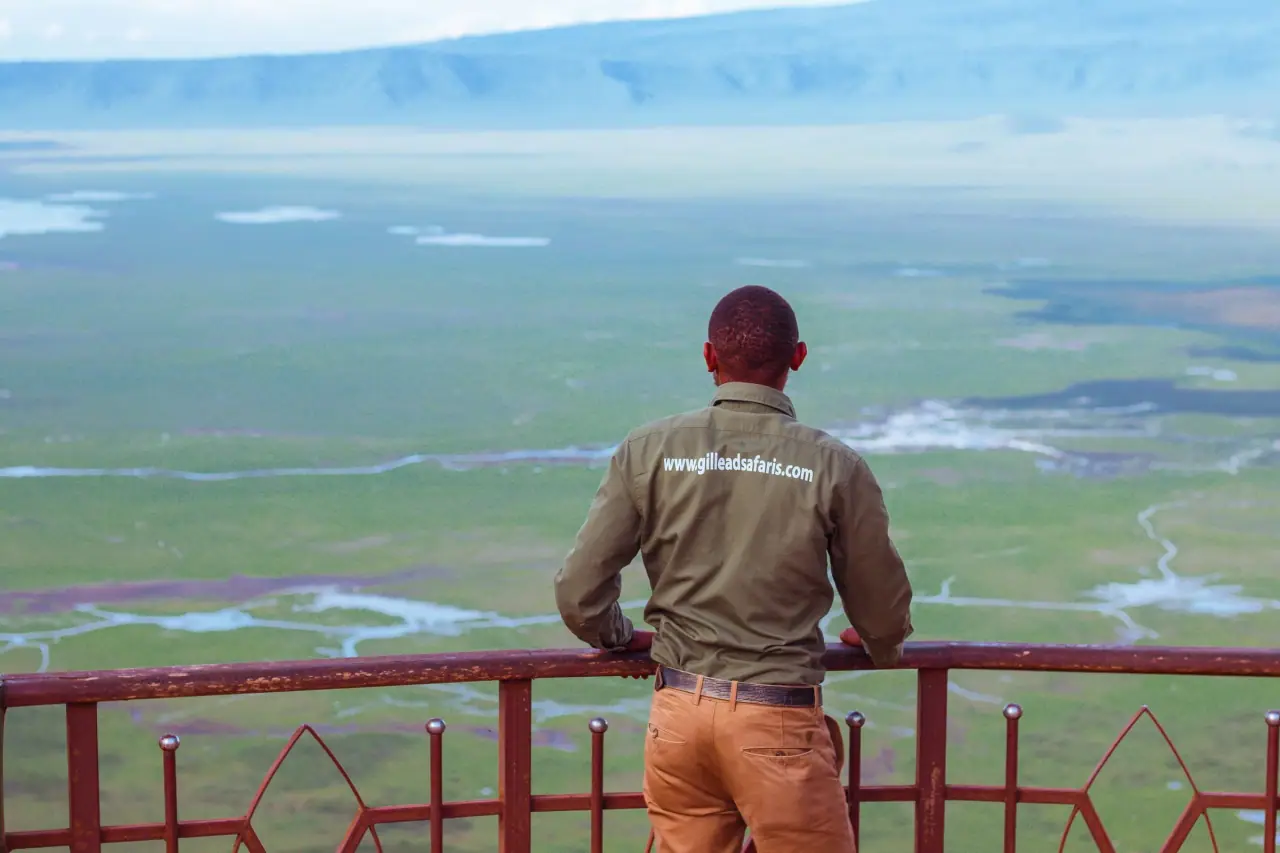
Ngorongoro Crater was formed around three million years ago when a giant volcano exploded and collapsed inward, creating one of the largest intact calderas on earth. The crater floor roughly 260 km² became a self-contained world, sheltering an extraordinary density of wildlife within its 600-metre-high walls.
The Maasai people have lived alongside wildlife in the Ngorongoro highlands for centuries, grazing their cattle on the crater rim and the surrounding plains. When Tanzania's national park system was established in the 1950s, the Maasai retained rights within Ngorongoro making it one of the only protected areas in the world where indigenous communities and wildlife share the same land.
Declared a UNESCO World Heritage Site in 1979, Ngorongoro is also home to Olduvai Gorge the "Cradle of Mankind" where paleoanthropologist Louis Leakey discovered some of the oldest hominin fossils ever found, placing human origins in this very landscape.
Size
8,292 km²
Best Time to Visit
Year-round
Wildlife
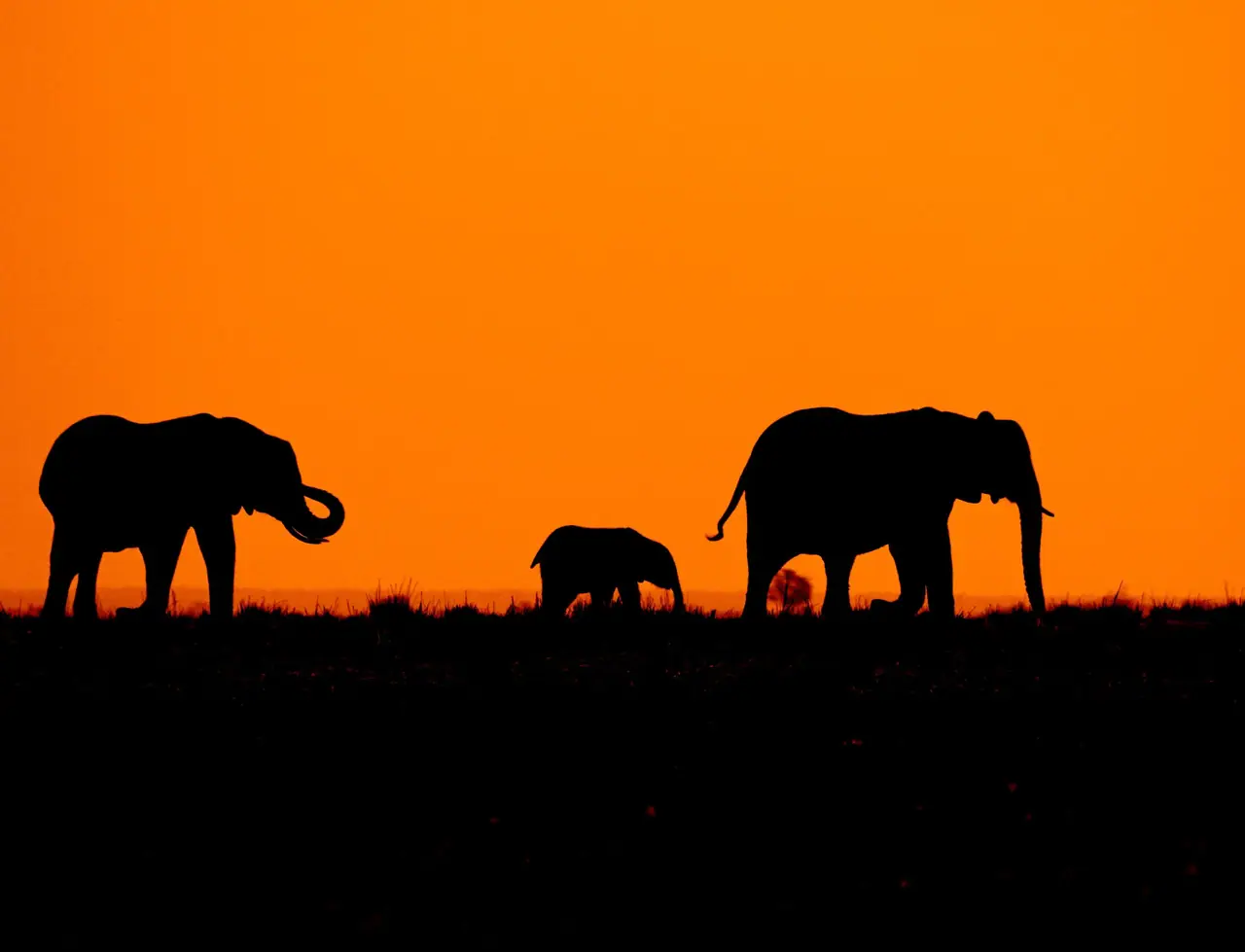
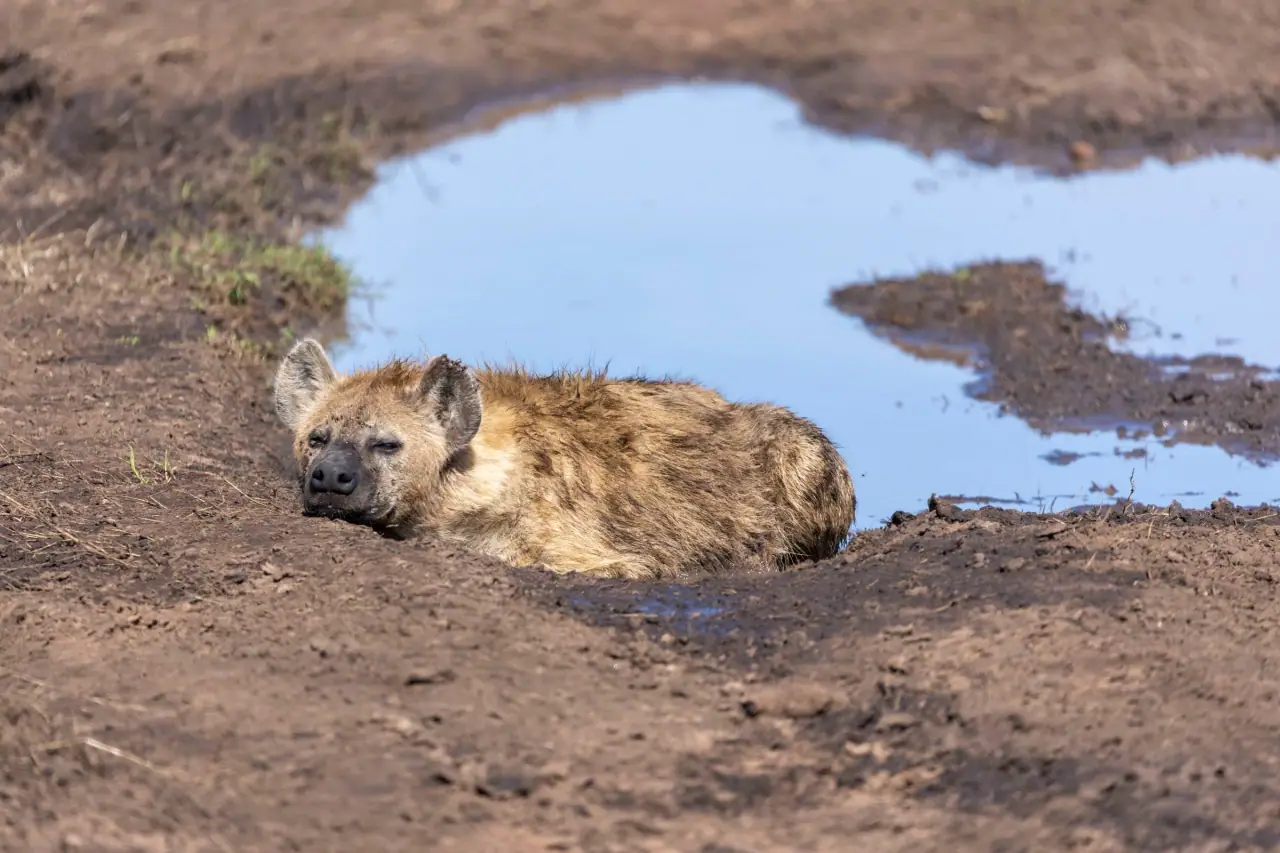
Black Rhino · Lion · Elephant · Hippo · Flamingo · Hyena
Highlights
Roughly three million years old and walled in on every side, the crater floor holds one of the highest concentrations of wildlife anywhere on the continent.
Plan This Safari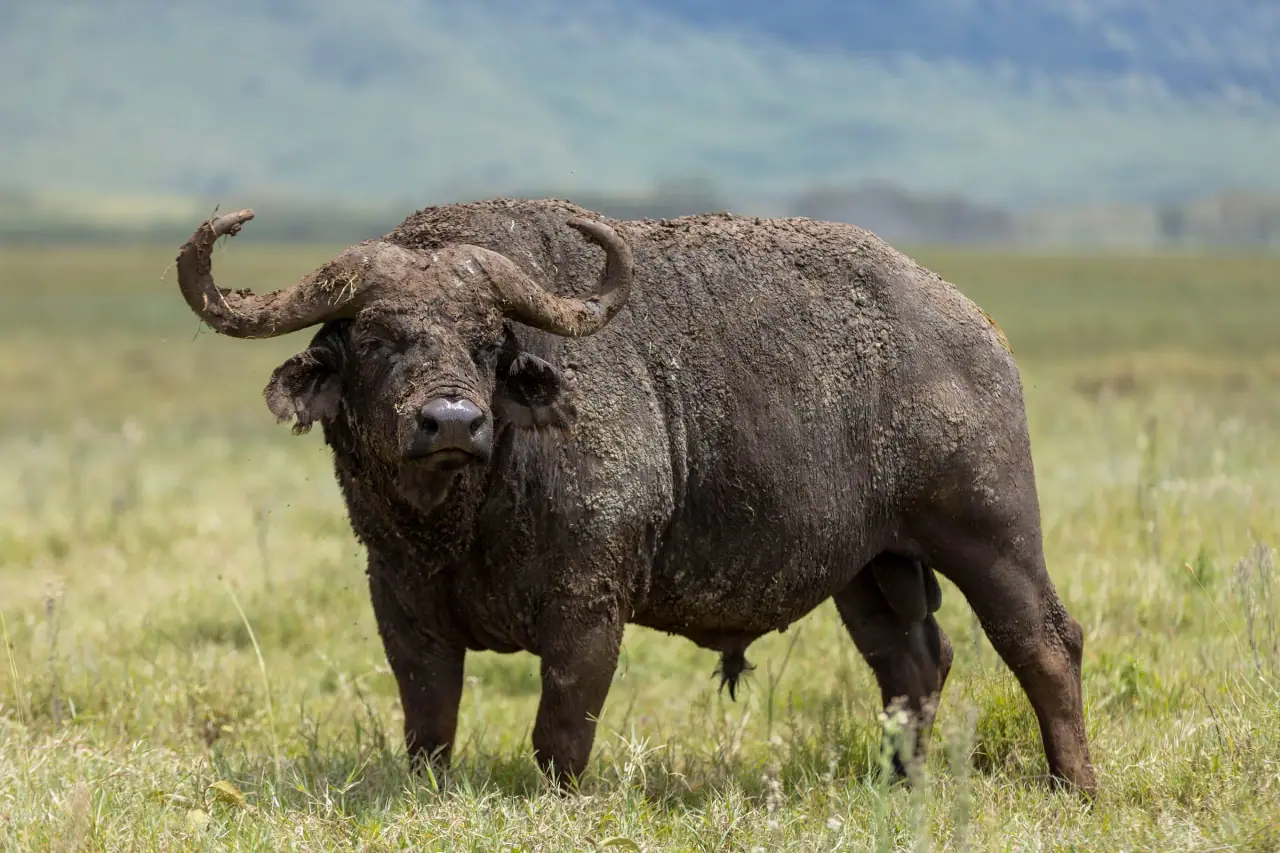
Lion, elephant, rhino, buffalo and leopard all move within the same 260 km² floor — a single day inside the crater can outshine a week anywhere else.
"Our driver-guides know this crater the way most people know their own street."
Our team can arrange every detail of your trip.